








Wholegrain flour
is more than just an ingredient.
NATURE IN EVERY GRAIN
We harvest crops from local fields
CARE IN EVERY GRAIN
We carefully select every grain
TRUST IN EVERY GRAIN
We trace its journey and check its quality
TRADITION IN EVERY GRAIN
We stone-mill it in small batches. Read more
Explore our products
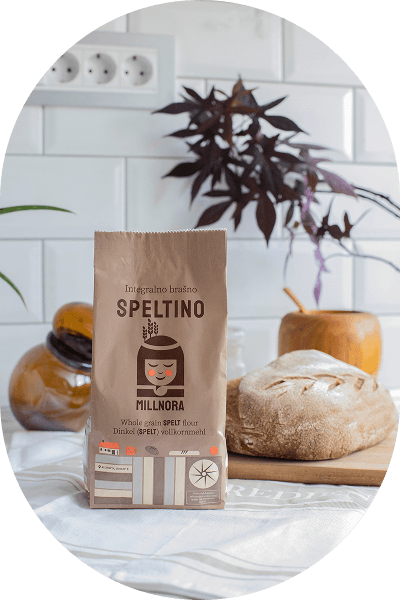
Wholegrain
Spelt Flour
product details
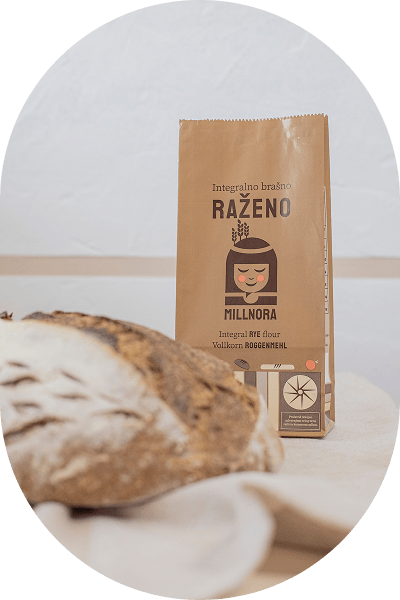
Wholegrain
Rye Flour
product details
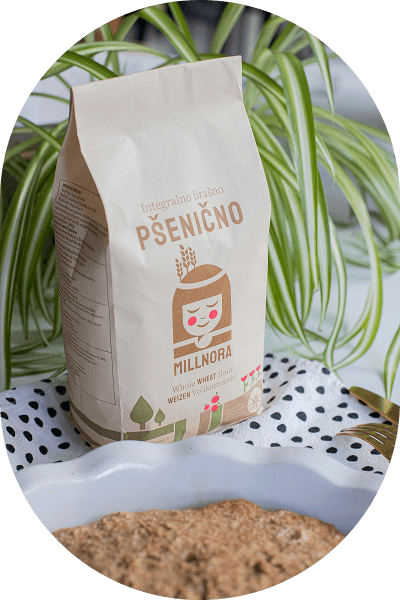
Wholegrain
Wheat Flour
product details

Wholegrain
Buckwheat Flour
product details
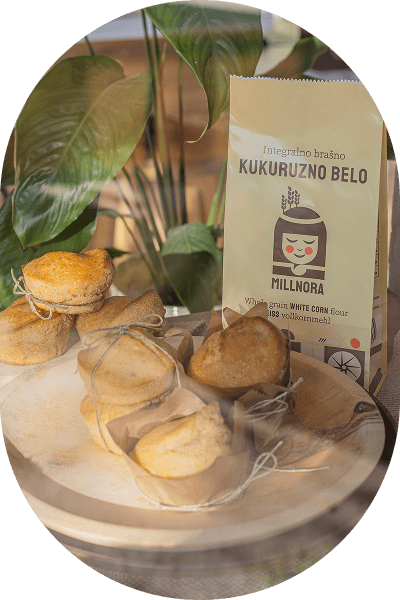
Wholegrain White
Maize Flour
product details
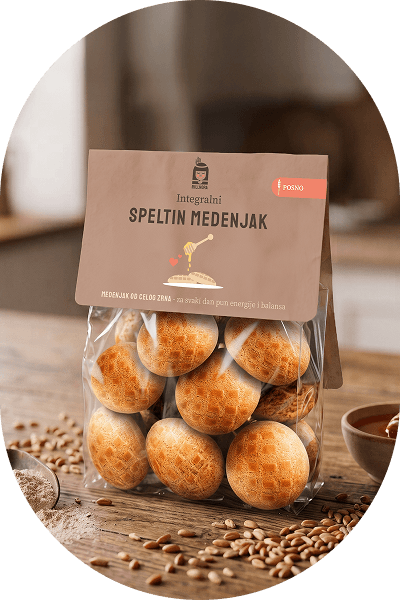
Our Honey Biscuits
product details



Why choose whole grain flour?
- More nutritious
- More fibre
- More protein
- More B vitamins and vitamin E
- Rich in minerals such as iron, zinc and magnesium
- No additives or artificial colours


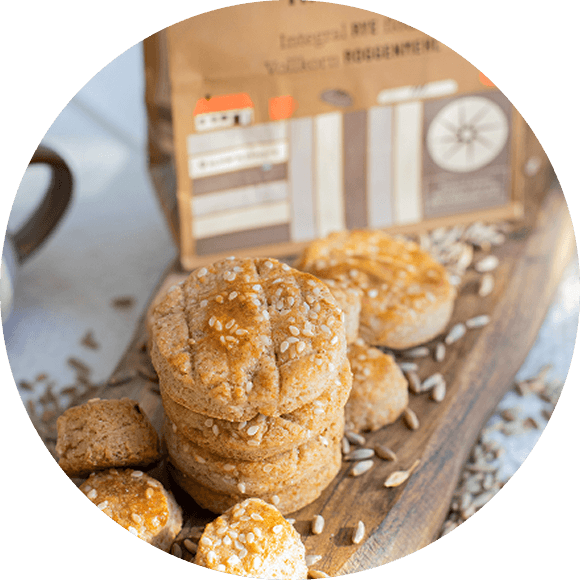
 Read the recipe
Frequently Asked Questions
What is wholemeal flour?
Wholemeal flour is made by milling the entire wheat grain, unlike commercially produced white flour. Whole grains contain valuable amounts of fibre, vitamins and minerals. Their nutritional profile makes wholemeal flour a more nutritious choice.
What are the benefits of wholemeal flour?
It contains all three natural parts of the wheat grain: the bran, germ and endosperm. Compared with refined white flour, wholemeal flour therefore contains more fibre, B vitamins and vitamin E, as well as minerals such as iron, zinc and magnesium. Most of the grain’s protein is found in the endosperm, which is retained in wholemeal flour.
How is wholemeal flour made?
It all starts with quality ingredients. We stone-mill whole wheat grains in small batches, combining traditional milling craftsmanship with modern production standards. Discover more on our Family Story page.
Which flour is best?
There is no single flour that is best for every purpose. Different flours suit different recipes and uses. We have highlighted the key characteristics of each flour and selected some delicious recipes to try. Discover more on Our Flours and Recipes pages.
Is flour suitable for people with coeliac disease?
People with coeliac disease must avoid gluten. Wheat, rye and spelt naturally contain gluten and are not suitable for them. Buckwheat and maize are naturally gluten-free, making them more suitable options, provided the flour has not been cross- contaminated with gluten.
How does flour affect insulin
Like other carbohydrate-rich foods, flour affects blood glucose and insulin levels after a meal. Wholegrain flours contain more fibre than white flour, which can help slow the rise in blood glucose. The type and amount of flour, and how it is used, all matter. It is also important to consider the composition of the entire meal, overall diet and how often different foods are eaten.
How much protein does flour contain?
Protein content varies by flour type. All of all our products, spelt flour has the highest protein content. Find out more on Our Flours page.
Where can I buy Millnora products?
You can find Millnora products in selected health food shops, bakeries and through our partners. Find out more on our Find us page.
Do you deliver to homes?
Yes. We offer a bundle containing all our products. Order yours through our contact form.
Do you offer wholesale supplies to bakeries and cafés?
Yes. We supply bakeries, cafés and other businesses wholesale. For details of our terms, please get in touch through our contact form.
How can I become a partner or stockist?
If you would like to become a partner or stockist, contact us through our form. We would be delighted to discuss the possibilities. Get in touch Whether you would like to work with us, order a bundle or ask a question about our flours, drop us a message. We are here to help!





Get in touch
Whether you would like to work with us, order a bundle or ask a question about our flours, drop us a message. We are here to help!
Contact us